Table Of Content

Low-dose oral minoxidil (prescribed off-label) has been found to be effective and safe for most patients, Mirmirani says. Other oft-used drugs include finasteride (Propecia) and spironolactone. Female pattern hair loss (FPHL) is a distinctive form of diffuse hair loss that occurs in women with androgenetic alopecia. Around 40% of women by age 50 show signs of hair loss and less than 45% of women reach the age of 80 with a full head of hair.
What causes hair loss in women?
Poisons that can cause hair loss include arsenic, thallium, mercury, and lithium. If you ingest a large amount of warfarin, which is found in rat poisons, it can also cause hair loss. Taking large amounts of vitamin A or selenium is also toxic and can cause hair loss. People can develop hair loss where boots, socks, or tight clothing frequently rubs against their skin. Many people who have plaque psoriasis develop psoriasis on their scalp at some point. Free to everyone, these materials teach young people about common skin conditions, which can prevent misunderstanding and bullying.
Addressing shortfalls through diet and supplements: Does it help hair growth?
Why You're Losing More Hair and the New Science to Help Regrow It - Oprah Mag
Why You're Losing More Hair and the New Science to Help Regrow It.
Posted: Mon, 11 Sep 2023 07:00:00 GMT [source]
You can also find hair growth serums that contain active ingredients that have been FDA-approved to promote hair growth, like minoxidil. Losing your hair can be a distressing experience, but you’re not alone. Here, dermatologists share what you need to know about alopecia, including possible causes, treatment options and what you can do to prevent more hair loss.
Charitable Care & Financial Assistance
If you need help finding a primary care doctor, then check out our FindCare tool here. If you decide to style your hair with heated tools, only do so when your hair is dry and use the lowest settings possible. Traction alopecia results from too much pressure and tension on the hair, often from wearing it in tight styles, like braids, ponytails, or buns. These patches, sometimes called a kerion, can cause scarring as well.

16 Best Hair Growth Shampoos, Tested & Reviewed by Experts 2024 - ELLE
16 Best Hair Growth Shampoos, Tested & Reviewed by Experts 2024.
Posted: Fri, 19 Apr 2024 07:00:00 GMT [source]
If you have any concerns with your skin or its treatment, see a dermatologist for advice. DermNet does not provide an online consultation service.If you have any concerns with your skin or its treatment, see a dermatologist for advice. You may need to have regular blood pressure and electrolyte tests while you take it.
Can people get female pattern baldness in their 20s?
If you have healthy hair on the back or side of your head, a doctor can surgically remove hair strands from those areas and graft them into your scalp in a bare area. It’s another expensive treatment that isn’t generally covered by insurance, but it tends to be a long-lasting solution. A combination of low dose oral minoxidil (eg, 2.5 mg daily) and spironolactone (25 mg daily) has been shown to significantly improve hair growth, reduce shedding and improve hair density. Hormonal treatment, i.e. oral medications that block the effects of androgens (e.g. spironolactone, cyproterone, finasteride and flutamide) is also often tried. A Cochrane systematic review published in 2012 concluded that minoxidil solution was effective for FPHL.
Once started, treatment needs to continue for at least six months before the benefits can be assessed, and it is important not to stop treatment without discussing it with your doctor first. Long term treatment is usually necessary to sustain the benefits. Blood tests include female and male sex hormone levels as well as thyroid function, as part of the diagnostic workup.
Recommended for You
Many of these treatments are still in the early testing phases though, and more research will be necessary. Female pattern baldness often results in thinning all over the scalp and might look like widening or thinning around the part. It typically occurs after age 65 but, for some females, it can begin early in their lives. Anyone can have androgenetic alopecia (pattern baldness). These hair changes can make it hard to maintain how you want to look, especially if you're transgender or nonbinary (which means you don't identify as fully male or female). You may want to shift where hair grows (or doesn't) to reflect your affirmed gender.
Known as a “scalp sensitizer,” anthralin creates an irritant reaction that stimulates the immune system and encourages hair growth. You’ll apply this cream once daily, directly to the scalp in areas where you want to encourage hair growth. The FDA hasn’t labeled spironolactone as a treatment for androgenic alopecia. It’s typically used to reduce swelling from liver disease and nephrotic syndrome (a kidney problem). It can also treat high blood pressure, heart failure, and hyperaldosteronism (excessive secretion of the hormone aldosterone).
In hair transplant surgery, pieces of scalp tissue with the hair attached are typically taken from one area of the scalp and moved to areas of baldness. There are many other potential causes of hair loss in women. The condition can be caused by many different things; from lifestyle changes, iron deficiency, or even illness.
You might notice periods of stability followed by more rapid hair loss phases. And the earlier you experience female pattern baldness, the quicker it may progress. Hair loss can be caused by many factors, including nutrient deficiencies, stress, certain health conditions, and changes in hormone levels. Early diagnosis and treatment may help stop hair loss and promote hair regrowth. Telogen effluvium is a type of hair loss that involves rapid hair shedding over a short period. It typically happens a few months after your body goes through something physically or emotionally stressful.
"As soon as you start to see hair loss — because hair disorders are often time-sensitive — I would encourage you to see a hair specialist, such as a dermatologist," she says. "And then what happens is that density just simply decreases over time. And in extreme form, there can be absence of hair on the crown of the scalp." "People think of hair loss or pattern baldness happening only to men," says Dr. Dawn Davis, a Mayo Clinic dermatologist.. Your clinician might prescribe anti-inflammatory medications, like corticosteroids, if hair loss seems related to an autoimmune condition. There are several types of hair loss, some are common and some are rarer, and each with different underlying causes. It’s typical to lose between 50 and 100 hairs a day, according to the American Academy of Dermatology (AAD).
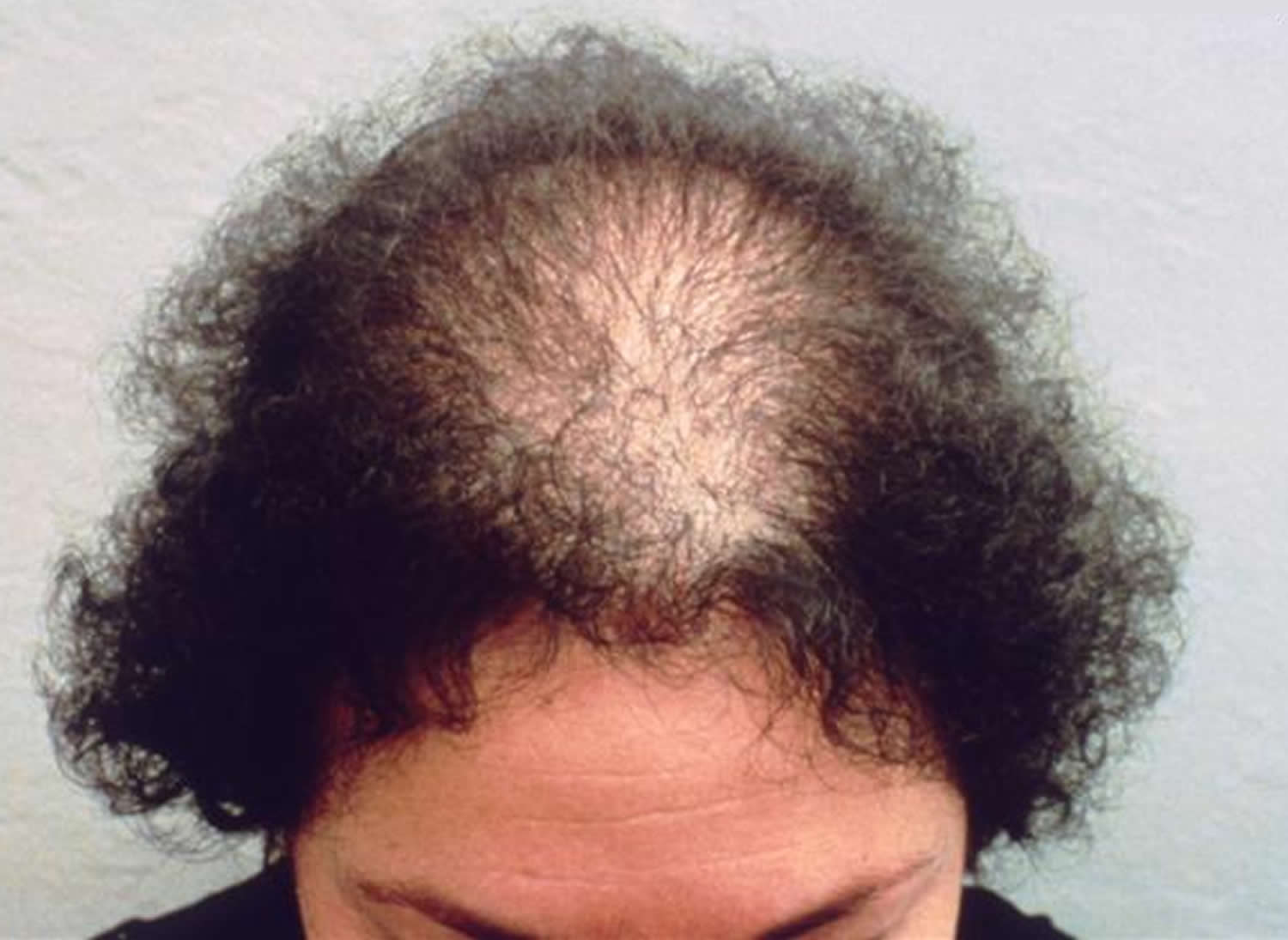
It is very uncommon for women to bald following the male pattern unless there is excessive production of androgens in the body. Female pattern baldness is usually hereditary — caused by a genetically shorter hair-growing period and a longer period between the shedding and growth phases. Your healthcare provider may use a special tool called a densitometer to examine your scalp. A densitometer measures the thickness of your hair follicles. Female pattern baldness is largely genetic, affecting hair along the top of a woman’s head.


No comments:
Post a Comment